By Brian Cosper
December 1, 2025
In this era of rapid technological advancement and growing environmental awareness, modern construction techniques are revolutionizing the way commercial properties are developed and perceived. This article explores the multifaceted ways these modern methodologies are enhancing the value of commercial real estate, ensuring they meet the evolving needs of businesses and consumers alike. With a focus on sustainability, smart technology, design flexibility, tenant experience, cost-effectiveness, and regulatory compliance, modern construction practices are reshaping the landscape of commercial properties. These advancements are designed not only to increase efficiency and reduce environmental impact but also to meet the dynamic desires of modern occupants. As the construction industry evolves, it offers significant opportunities for property developers and investors seeking to maximize the value of their real estate assets.
1. Sustainability and Environmental Impact
One of the primary ways modern construction adds value to commercial properties is through sustainability initiatives. Green building certifications, such as LEED and BREEAM, are becoming increasingly desirable as they signify a commitment to environmental stewardship. Properties that achieve these certifications can often command higher rents and attract prestigious tenants who prioritize sustainability. Additionally, these certifications may offer tax incentives and reduce regulatory hurdles, providing further financial benefits to property owners. Incorporating features that reduce energy consumption and environmental impact is now a critical component of commercial real estate development.
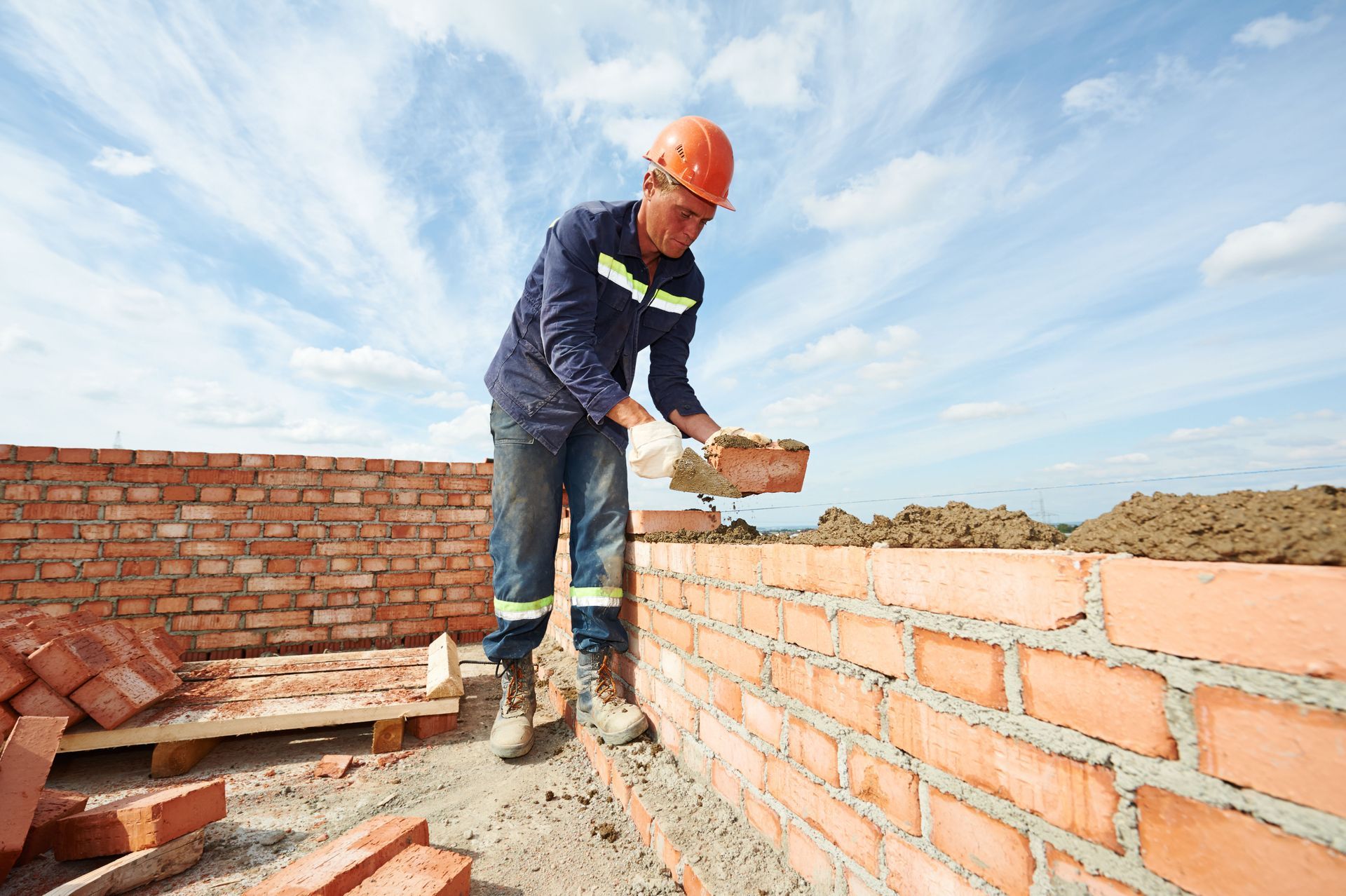
Energy efficiency is another key aspect of modern construction that adds significant value to commercial properties. By implementing advanced energy systems, such as LED lighting, geothermal heating, and efficient HVAC systems, buildings can significantly reduce their operational costs. The decreased consumption not only lowers utility bills but also reduces carbon footprint, appealing to environmentally conscious businesses. According to Autodesk, 8.8 million Americans were employed in the construction industry in 2024, underlining the capacity and competence of the workforce to undertake these advanced projects. The widespread adoption of energy-efficient technologies can lead to long-term financial savings and increased tenant satisfaction, driving higher occupancy rates.
Incorporating renewable energy sources like solar panels and wind turbines further elevates the sustainability of commercial properties. These technologies offer an alternative to conventional energy sources, reducing reliance on fossil fuels and decreasing greenhouse gas emissions. Water conservation methods, such as rainwater harvesting and low-flow plumbing, are also becoming standard practice, further enhancing sustainability. The use of sustainable building materials, including recycled and locally sourced products, contributes to a reduced environmental footprint. These initiatives demonstrate a commitment to long-term environmental responsibility, a value increasingly demanded by investors and tenants alike.
2. Smart Technology Integration
In modern construction, smart technology integration is transforming commercial properties into intelligent environments. The use of IoT devices allows for seamless management and optimization of building functions such as lighting, heating, and security. These smart systems contribute to operational efficiency by automating processes and reducing manual intervention. Building automation systems enable property managers to monitor and control building operations remotely, thus enhancing efficiency and reducing overhead costs. This technological integration is a significant factor in increasing the value of commercial properties by making them more attractive to tech-savvy tenants.
Enhanced security is another critical benefit of integrating smart technologies into commercial properties. Advanced surveillance systems, biometric access controls, and AI-driven analytics help in creating a safe and secure environment for occupants. Such technologies can deter criminal activities, lower insurance premiums, and provide a sense of security that attracts quality tenants. Smart lighting and climate control solutions add further convenience, allowing tenants to customize their environment to meet personal preferences. These improvements are not only functional but also contribute to a more comfortable and appealing space for both tenants and visitors.
Data-driven decision-making enabled by smart technologies can significantly enhance property management. By analyzing data generated from smart devices, property managers can identify trends, optimize resource allocation, and improve services. These insights allow for proactive maintenance strategies, minimizing downtime and reducing costs. Furthermore, smart buildings provide real-time feedback to tenants, allowing them to adjust usage patterns and reduce energy consumption. This not only contributes to sustainability but also aligns with modern business practices focusing on efficiency and cost-effectiveness.
3. Design Flexibility and Adaptability
Modern construction emphasizes design flexibility and adaptability, which are key factors in enhancing the value of commercial properties. By creating multi-functional spaces, developers can cater to a diverse range of tenant needs, increasing the potential for varied leasing agreements. Flexible design allows spaces to be easily reconfigured, making them adaptable to different business models, from traditional offices to co-working environments. This capability future-proofs commercial properties, ensuring they remain relevant as trends and tenant requirements evolve. The ability to quickly adapt spaces also reduces vacancy periods, maximizing rental income and property profitability.
Modular construction techniques provide another advantage in contemporary commercial real estate development. These methods reduce construction time and costs by allowing building components to be manufactured off-site and assembled on-site. This approach not only speeds up project timelines but also enhances quality control, providing a higher standard of construction. Adaptive reuse of existing structures is another strategy that aligns with sustainable practices while preserving historical and cultural heritage. By revitalizing underutilized buildings, developers can significantly increase property value while minimizing environmental impact.
Customizable interior configurations are highly sought after in modern commercial properties. By offering tenants the ability to personalize their spaces, developers can meet specific business needs and preferences. This flexibility extends to the incorporation of open and collaborative spaces, which are increasingly popular in workplace design. These environments encourage teamwork, foster creativity, and improve employee satisfaction, contributing to a productive business atmosphere. The adaptability and modern aesthetic appeal of such spaces can be a significant draw for prospective tenants, enhancing rental demand and property value.
4. Enhancing Tenant Experience
Improving tenant experience is a strategic focus in modern construction, directly contributing to the value of commercial properties. Enhanced indoor air quality, achieved through advanced filtration and ventilation systems, is a critical component of this strategy. By ensuring a clean and healthy indoor environment, property managers can improve occupant well-being and reduce absenteeism due to health-related issues. This proactive approach to wellness translates into higher tenant satisfaction and retention rates, which are essential for maximizing rental income. As the demand for health-oriented spaces increases, it becomes a significant factor in evaluating a property's desirability.
Amenities and shared spaces are becoming increasingly important in the commercial property sector. These features provide added value by offering services and facilities that enhance the tenant experience. From on-site fitness centers and wellness areas to communal lounges and dining options, these amenities cater to the lifestyle preferences of modern tenants. Interactive building features, such as digital directories and smart conference rooms, add another layer of convenience and sophistication to commercial properties. These enhancements contribute to a more engaging and user-friendly environment, making properties highly attractive to prospective tenants.
Health and wellness-oriented construction practices are increasingly influencing the design of commercial properties. By incorporating features that support physical and mental well-being, developers can create environments that promote productivity and satisfaction among occupants. Addressing acoustics and soundproofing is an essential aspect of these efforts, as noise pollution can significantly impact comfort and concentration levels. By prioritizing these elements, commercial properties can create an appealing atmosphere that meets tenant expectations for a modern workplace. This focus on enhancing tenant experience is a vital component of increasing property value and ensuring long-term success in the competitive commercial real estate market.
The evolution of modern construction practices is significantly enhancing the value proposition of commercial properties. Through sustainable and innovative approaches, coupled with technological integration, modern construction is paving the way for more efficient, adaptable, and commercially appealing real estate developments. As the industry continues to embrace these advanced methodologies, the future of commercial construction looks promising, meeting the dynamic demands of businesses and helping to create more sustainable urban environments. By investing in cutting-edge construction techniques, developers and investors can ensure the long-term success and competitiveness of their properties. Ultimately, these advancements are transforming the commercial real estate landscape, delivering value to stakeholders while aligning with the growing emphasis on sustainability and innovation. Be sure to reach out to KBJ Contracting, LLC today for more information on our professional commercial construction companies!